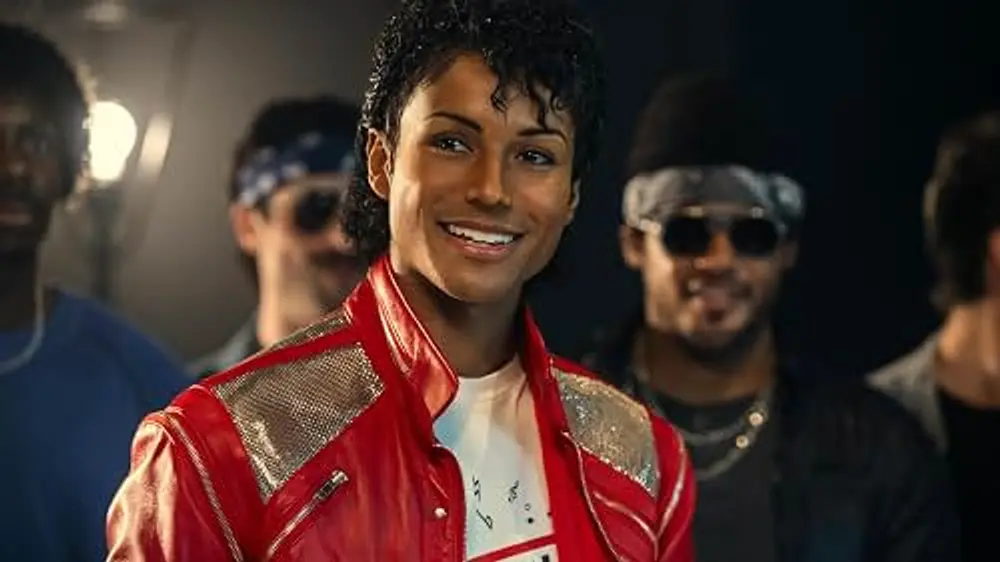
Music biopics carry one of the more unpredictable box office track records in the entire industry. Some become genuine cultural moments that pull in audiences far beyond fans of the artist being depicted, packing theaters with people who weren't even alive during the subject's commercial peak but show up anyway because the marketing and the reviews convinced them it was worth the ticket. Others struggle to find an audience even with a beloved subject attached, often because the film leans too heavily on being a highlight reel of famous moments rather than an actual story with emotional stakes that a general audience can connect with regardless of how familiar they are with the discography. Michael has landed clearly on the successful side of that divide, with numbers strong enough to put it among the top five highest-grossing films of the entire year, a result that's genuinely caught a lot of industry observers off guard given how uncertain this particular project looked on paper before release.
Why this outcome wasn't guaranteed
A biopic centered on a figure as famous, and as complicated in public memory, as Michael Jackson carries real risk on both sides of the equation. There's the challenge of doing justice to an artist whose musical legacy remains massive and whose influence on multiple generations of performers is difficult to overstate, alongside the much harder task of navigating a public perception shaped by decades of headlines that go well beyond the music itself. Films attempting this kind of balancing act have stumbled before, either sanitizing the story to the point of feeling hollow and dishonest to anyone who lived through the actual cultural moment, or leaning so heavily into controversy and tabloid material that the actual artistic legacy gets buried underneath it entirely. Finding the right tone between those two failure states is genuinely difficult, and plenty of biopics about far less complicated public figures have failed to manage it.
What the box office trajectory actually suggests
Rather than an explosive opening weekend followed by a steep decline, which is the more common pattern for biopics riding primarily on curiosity and opening-weekend novelty alone, Michael's climb has been described as a steady surge, building momentum over time rather than front-loading its entire audience into the first few days of release. That kind of trajectory is usually a strong signal that word of mouth is doing real work behind the scenes. Audiences who saw it early are actively recommending it to friends and family rather than the film relying purely on marketing spend and opening weekend curiosity to drive its overall numbers. Box office analysts tend to weigh this kind of slow-building performance more heavily than a flashy opening weekend precisely because it reflects genuine audience satisfaction rather than just effective advertising.
What this means for the biopic genre going forward
A performance this strong tends to have real ripple effects across the industry, well beyond just this one film's box office tally. Studios pay extremely close attention when a biopic built around a genuinely complicated public figure manages to connect with audiences at this scale, and results like this often open the door for similar ambitious projects centered on other complex cultural figures that might have otherwise been considered too risky to greenlight given the delicate balance required. For an audience that's shown real fatigue with certain franchise formulas in recent years, endless sequels and shared universe entries that feel increasingly formulaic, Michael's success is also a useful reminder that original, character-driven stories, even ones built around real people whose lives are already publicly known, can still pull massive crowds into theaters when the execution genuinely earns that response rather than coasting on name recognition alone.
Where it stands heading into the rest of the year
With the film now firmly positioned among 2026's biggest theatrical performers, the real test going forward is whether it can hold that position through the fall awards conversation, where biopics often find a meaningful second wind if the central lead performance earns serious critical recognition and awards attention. Given how the box office run has unfolded so far, building steadily rather than fading, that outcome seems like a genuine possibility rather than a long shot, and it's worth watching closely as the film moves from its theatrical run into the part of the calendar where awards buzz can meaningfully extend a film's cultural relevance well past its initial release window.