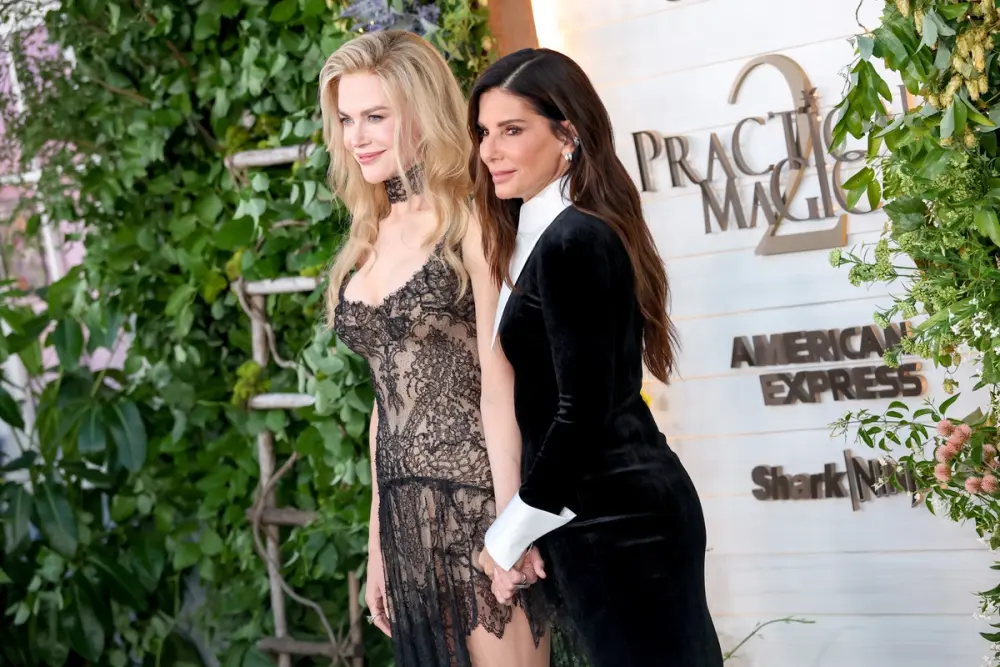
Practical Magic 2 premiered September 11 with its original leads returning alongside a new generation of witches, joining a small but growing list of films willing to wait decades rather than years for a follow-up, and that waiting period might be exactly why it works.
Most franchises treat a gap of even five years between installments as a risk worth avoiding. Practical Magic waited nearly six times that long, and the fact that it's arriving now, rather than during some mid-2000s nostalgia window, is doing a lot of quiet work for the film before anyone's even seen it.
What's actually in the sequel
Sandra Bullock, Nicole Kidman, Dianne Wiest, and Stockard Channing all return for the sequel, released September 11, twenty-eight years after the original became a fixture of Halloween-season viewing. Joey King and Maisie Williams join as a new generation of witches entering the story alongside the returning cast. That structure, veteran leads sharing the frame with new blood rather than being quietly written out, is the part worth paying attention to. milledmilled
Why the "decades-later" sequel has become its own genre
There's a version of this movie that gets made eight years after the original, riding directly on the first film's box office momentum. That's not what happened here, and the distance actually changes what the film can do narratively. A sequel arriving this late isn't continuing a story audiences are still tracking in real time, it's reopening one that's had decades to settle into cultural memory. That gives filmmakers room to treat the passage of time as the actual subject rather than something to awkwardly explain away in a title card.
What this format is betting against
The obvious risk with any legacy sequel is that it reads as a cash grab dressed up in nostalgia, new characters bolted on to justify a marketing push rather than because the story needed them. The presence of a new generation of witches alongside the original cast suggests Practical Magic 2 is trying to avoid that trap by treating succession as the actual theme, passing something down rather than just resurrecting it. Whether that lands depends entirely on execution, but the structural instinct, let enough time pass that the original feels like folklore rather than a franchise entry, is a smarter starting point than most legacy sequels bother with.
Where this trend goes from here
If Practical Magic 2 performs well, expect studios to keep digging through their catalogs for other decades-old cult favorites sitting on enough residual goodwill to justify the same approach. The appeal for studios is obvious: built-in nostalgia with none of the burnout that comes from over-franchising something too quickly. The risk, for audiences, is that "waited long enough to feel earned" becomes just another marketing line applied indiscriminately, the same way "gritty reboot" did a decade ago.