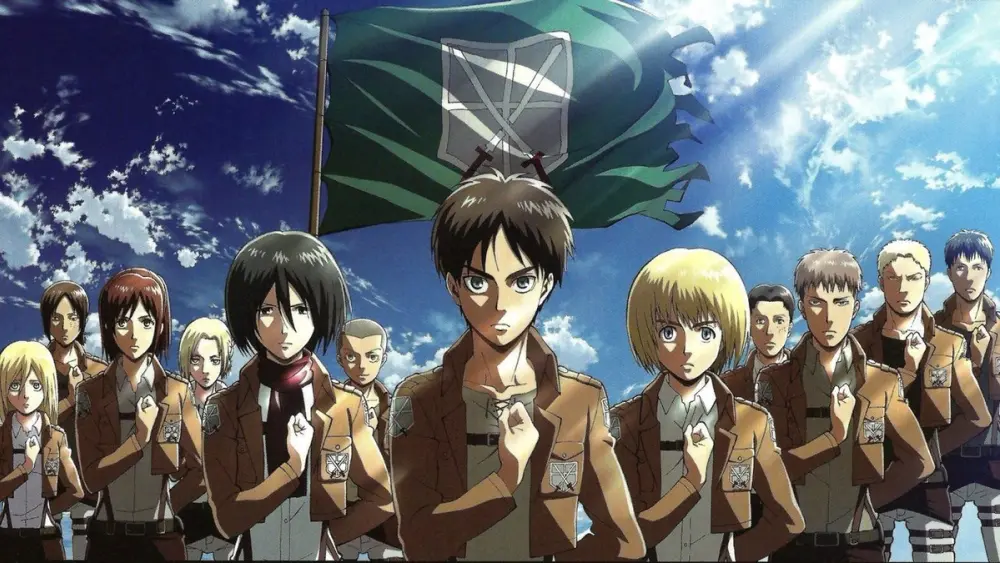
Attack on Titan wrapped up its main anime story a while back, closing out one of the most talked-about series of the last decade with a finale that genuinely split fan opinion right down the middle, some praising its willingness to embrace a darker, more morally ambiguous conclusion than most action anime ever attempt, others feeling it undercut characters they'd followed for years, but even that divisive ending never actually dented the franchise's overall cultural weight or its continued presence in ongoing anime conversations. What this particular September proved, in a way that even longtime fans may not have fully expected, is that ending the core story didn't come close to ending the franchise's ability to command widespread attention across the industry. September 9 has now been formally and officially registered as Attack on Titan Day, and the celebration surrounding this newly established occasion was anything but a quiet, low-key affair limited to a single tweet or a small announcement buried in an industry newsletter.
Why getting an officially recognized day actually means something substantial
Franchises don't casually or easily get an officially recognized day attached to their name through some simple administrative process. It requires a genuinely sustained level of ongoing cultural relevance and a fanbase that's both large and dedicated enough to justify the considerable effort involved, and it typically comes paired with real, meaningful marketing investment from whoever currently holds the commercial rights to the property, since a day like this only generates value if it's actually supported with content substantial enough to make it worth fans' attention year after year. Attack on Titan earning this particular milestone years after its story technically concluded on screen says something quite specific about how the franchise has aged within the broader anime landscape, largely avoiding the steep, often rapid drop-off in cultural presence and fan engagement that frequently follows once a long-running series finally wraps up its central narrative and its most dedicated viewers move on to whatever the next big talked-about series happens to be.
What the celebration itself actually included when it finally arrived
The occasion arrived packed with a genuinely substantial volume of announcements and dedicated special content tied specifically to the date itself, giving both longtime fans who followed the series faithfully from its much earlier seasons all the way through its conclusion, and newer viewers who only discovered the franchise more recently through streaming platforms, plenty of fresh material to dig through and discuss across social media and dedicated fan communities. For a franchise sitting at this particular stage of its lifecycle, deliberately packing a single specific day with this much concentrated material rather than spreading smaller announcements out gradually over several months is a clearly deliberate strategy, one aimed at concentrating fan attention into a single powerful wave rather than diluting it, which tends to generate a much larger single spike of social media conversation and broader press coverage than a steady drip of smaller individual announcements ever could achieve on their own.
Why this particular milestone matters for franchises generally after their central story ends
Plenty of anime series see genuine engagement drop off quite sharply once their main story officially wraps up, with only the most deeply dedicated segment of the overall fanbase actually sticking around afterward for spinoff content, merchandise releases, or occasional nostalgia-driven anniversary events that don't always generate much broader excitement beyond that core group. Attack on Titan successfully pulling off a celebration at this particular scale strongly suggests the franchise genuinely retains a much broader overall audience than just its hardcore, most dedicated base of longtime followers, likely helped considerably by the story's continued ongoing discovery through streaming platforms actively introducing the series to entirely new waves of viewers who weren't following along in real time during its original weekly broadcast run years earlier.
What realistically comes next for the franchise moving forward
An officially recognized day like this one tends to become a recurring annual fixture rather than remaining a one-time isolated event, which means future September 9ths going forward are genuinely likely to carry similar weight and generate similar attention within the anime community, effectively giving the franchise a reliable, built-in annual moment to reintroduce itself to the wider ongoing anime conversation each and every year without needing an entirely new story arc or major creative announcement to justify the attention. For a series that already proved beyond any doubt it could dominate headlines and online discussion consistently while it was still actively airing new episodes, establishing a genuinely permanent annual touchpoint like this represents a smart, sustainable way to keep that hard-earned relevance from gradually and quietly fading now that the main story itself has already been fully told from beginning to end.