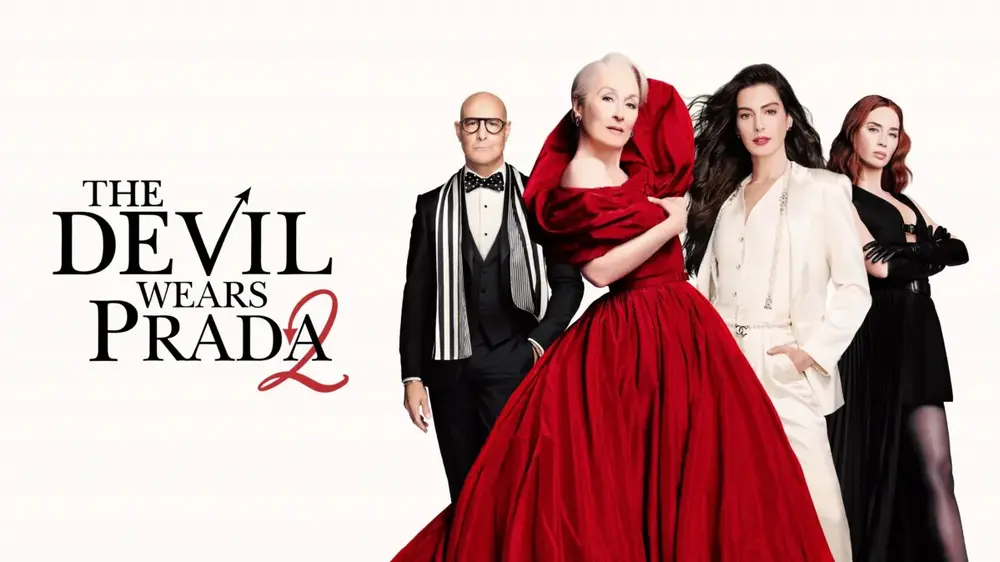
There's a specific, very recognizable kind of skepticism that greets sequels arriving decades after a beloved original with no ongoing franchise machinery keeping the story alive in the meantime, no comic book tie-ins, no theme park attraction, no expanded universe quietly setting up a continuation years in advance. The Devil Wears Prada 2 walked directly into exactly that skepticism, a continuation nobody was loudly campaigning for two full decades after the first film became a defining piece of early-2000s pop culture, the kind of movie that shaped how an entire generation talked about work, ambition, and fashion long after its theatrical run had ended. The box office numbers now coming in suggest that initial wave of public doubt didn't translate into empty theaters once the film actually arrived, and in fact suggest something closer to the opposite outcome.
Why the original's quiet legacy mattered more than any loud public demand ever could
Loud, organized public demand for a sequel and a genuinely devoted, patient fanbase that never went anywhere are two very different things, and industry analysts have increasingly come to recognize that the second one is often the far more reliable predictor of how a legacy sequel actually performs once it's released into theaters. The original Devil Wears Prada built exactly that kind of fanbase gradually over the many years since its release, one that kept quoting its most memorable lines, referencing its characters in everyday conversation, and introducing the film to new viewers, often much younger siblings or even their own children, long after its theatrical run had ended and it had settled into a comfortable second life on cable and streaming. That quiet, deeply sustained affection, built slowly over two decades rather than manufactured through a viral marketing campaign, turned out to be more than enough of a foundation to build a genuine box office success on.
The essential role the returning cast played in making this work
A legacy sequel like this one lives or dies in large part on whether the original cast is genuinely willing to return, and just as importantly, whether they're willing to do so in a way that feels like an authentic continuation of these specific characters rather than a hollow cameo-driven cash grab designed purely to trade on nostalgia without actually earning it. Audiences tend to sense that difference remarkably quickly once they're actually sitting in the theater, and box office numbers approaching 700 million dollars worldwide strongly suggest this particular sequel landed much closer to the former outcome than the latter, successfully giving longtime fans the genuine version of these characters they actually wanted to see again rather than a hollow, cynical retread of familiar beats designed purely to cash in on brand recognition.
Part of a genuinely bigger pattern playing out across this year specifically
This particular result doesn't exist in complete isolation from the rest of the industry. Several long-delayed sequels to beloved films from decades past have performed noticeably well above modest industry expectations across 2026's overall box office landscape, a pattern consistent enough across multiple different releases to suggest studios may finally be reading audience nostalgia far more accurately than they generally have in past years, when legacy sequels frequently underperformed by either badly overestimating existing built-in demand or, just as often, fundamentally underestimating what actually made the original film work so well with audiences in the first place.
What this genuinely means for how studios approach this kind of release going forward
Whether this specific trend continues gaining momentum or eventually fades will likely come down to careful execution as much as fortunate timing. Nostalgia alone can reliably open the door to a strong opening weekend, but it categorically cannot sustain meaningful box office momentum on its own if the finished film itself doesn't genuinely hold up once word of mouth starts circulating widely. The Devil Wears Prada 2 pulling numbers this consistently strong suggests the actual execution matched the genuine opportunity the studio was sitting on, and it's very likely to be cited internally as a reference point the next time a studio executive debates internally whether some other long-dormant beloved property is finally worth the risk of revisiting after years of sitting untouched.