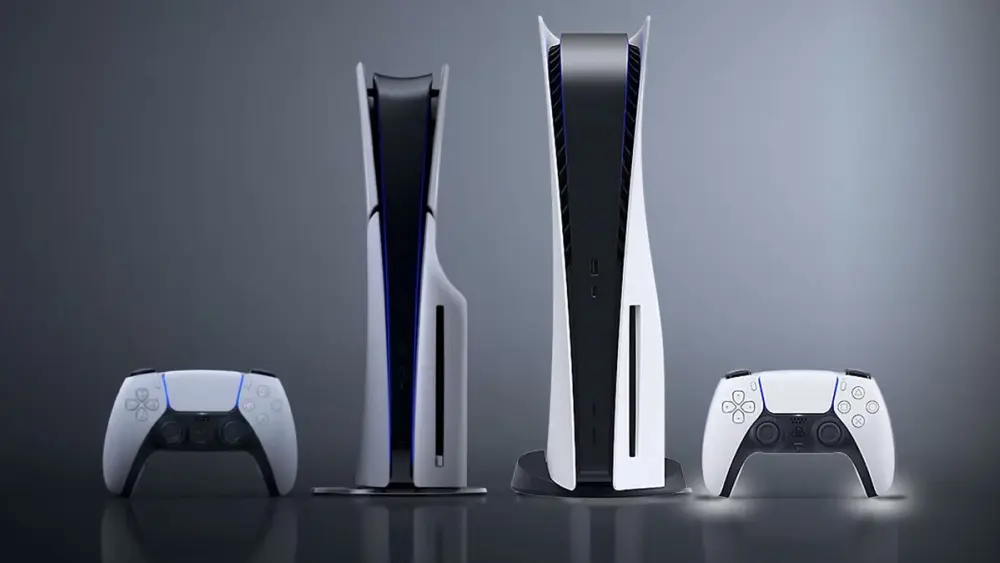
A memory chip crisis fueled by AI data center demand has pushed Sony toward delaying the PS6 as far as 2029 and Nintendo toward raising Switch 2 prices, while the same shortage spreads into graphics cards, SSDs, and everyday PCs.
Console delays usually come down to something specific, a chip shortage tied to one supplier, a pandemic-era bottleneck, a design problem that needed more time to solve. What's happening to the PS6 doesn't have that kind of clean explanation. It's being delayed by an industry that isn't even trying to compete with it.
What's reportedly happening
Bloomberg reporting indicates Sony is weighing pushing the PlayStation 6 launch to 2028 or as far as 2029, a delay that would stretch the PS5's life cycle to nine years, the longest gap between PlayStation generations in the brand's history. Nintendo, meanwhile, is reportedly considering a price increase on the Switch 2, less than two years after its release, not through a blunt sticker-price hike but through smaller adjustments like pulling bundled games from existing packages.
Why memory chips are the actual villain here
The shortage traces back to high-bandwidth memory, the specialized chips AI companies need in bulk to run large-scale data centers. Demand from firms building out that infrastructure has been strong enough to pull global memory production away from consumer electronics almost entirely, and manufacturers have made no secret about where their priorities now sit. One report pointed to a single type of DRAM chip jumping in price by 75% in the span of a month. That's not a supply chain hiccup, that's an entire category of hardware getting reprioritized out from under the industries that used to rely on it.
It's not just consoles anymore
Graphics cards are already showing the strain, with some GDDR6 and GDDR7 memory costs climbing 15-30% in parts of Asia and further hikes expected through the back half of 2026. High-capacity SSDs and even conventional hard drives are being swept into the same shortage. Framework's desktop systems, budget single-board computers like the Raspberry Pi, and pre-built gaming PCs have all seen documented price increases tied directly to the same memory crunch, and some industry forecasts suggest a sub-$500 prebuilt PC could functionally disappear from the market by 2028.
Why this is a genuinely different kind of shortage
Past hardware shortages, the pandemic-era GPU drought being the most recent comparison, eventually resolved because the disruption causing them was temporary. This one doesn't have an obvious expiration date, because the demand pulling memory away from consumer products isn't a temporary spike, it's a structural shift in what the chip industry is being built to prioritize. Some analysts have floated 2028 as a stabilization point. Others, citing supply already allocated years in advance, have suggested the crunch could stretch as late as 2031.
What this actually means if you're buying hardware soon
Nothing about this points toward prices coming back down in the short term. If you're eyeing a new PC build, a GPU upgrade, or holding out for next-gen consoles, the practical takeaway is that waiting isn't obviously the safer move anymore, the way it usually is with hardware. For an entire console generation to get pushed back not because of anything Sony did wrong, but because a completely different industry needed the same raw materials more urgently, is the kind of shift that's going to keep reshaping consumer tech pricing well past whenever the PS6 actually shows up.