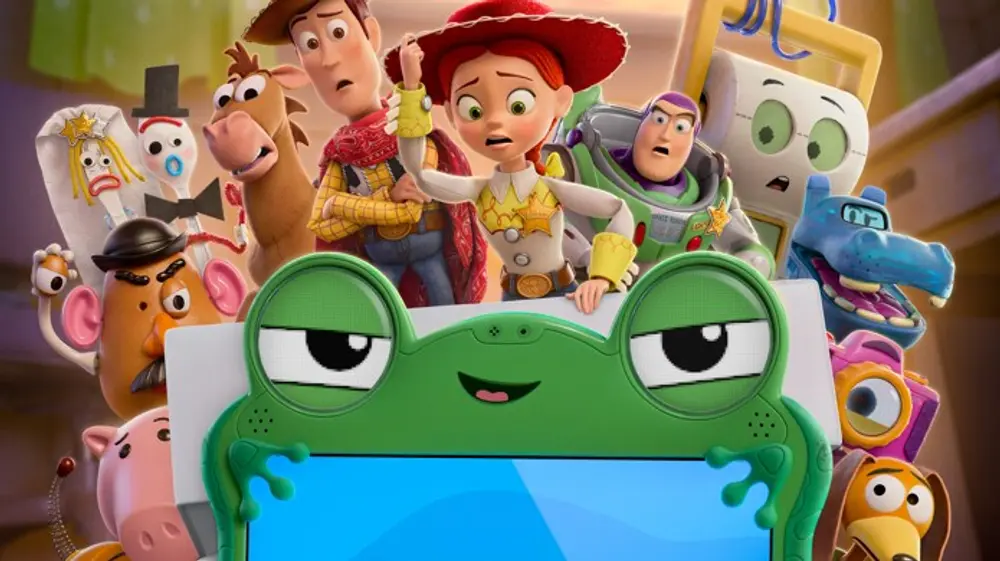
Some franchises eventually reach a point where audiences simply extend trust by default, showing up on opening weekend not because a trailer convinced them or because critics promised something special, but because enough past installments have consistently delivered that skepticism stops being the default response. Toy Story sits about as close to that category as modern animation gets, a franchise that's been part of the cultural furniture for long enough that entire generations have grown up watching these characters age alongside their own childhoods, then brought their own kids to see the next chapter years later. Toy Story 5 crossing the billion-dollar mark worldwide confirms that trust hasn't eroded even five films and three decades into the series, a milestone that in almost any other franchise would be treated as a minor miracle given how rare it is for a series this long-running to still command box office numbers at this scale.
Why long-running franchises usually start struggling by this point
Most series this far along start showing real signs of diminishing returns, either creatively or financially or both simultaneously, as the well of genuinely fresh story ideas runs dry and each new sequel starts feeling more like an obligatory continuation designed to protect a valuable intellectual property than a film with something authentically new to say. Audiences tend to notice this shift even when they can't quite articulate why a franchise feels like it's coasting, and box office numbers for aging franchises typically reflect that gradual erosion of trust long before any single film's marketing or reviews can be blamed directly. Toy Story has avoided that particular fate almost entirely, largely by deliberately shifting its emotional core with each new installment rather than simply repeating whatever formula worked in the previous film. Each entry has found a genuinely different angle on themes like growing up, letting go of the past, or finding new purpose once an old one no longer fits, themes flexible and universal enough to sustain a franchise this long without ever feeling like a rehash to audiences who've followed it faithfully since the very beginning back when the original film redefined what animated features could accomplish.
What crossing a billion dollars actually represents in practical terms
This isn't simply a strong opening weekend number that got padded out artificially over an unusually long theatrical release window through low-effort re-releases or minor cuts designed to extend a run. A genuine billion-dollar global gross means the film has performed consistently and strongly across multiple major international markets over an extended period of weeks and months, the kind of broad, sustained international success that reflects real, organic audience demand across different cultures and moviegoing habits rather than a single region or a single demographic carrying the entire worldwide total on its own. That international consistency is often harder to achieve than a strong domestic opening, since it requires a film to translate emotionally and culturally well beyond its country of origin, something animated family films with genuinely universal themes tend to manage more successfully than most other genres.
Why this result matters specifically for Pixar as a studio
Original animated concepts across the broader industry have had an increasingly difficult time competing against established franchises in recent years, with several major studios visibly pulling back on funding new, unproven animated properties in favor of safer, more predictable sequels and spinoffs built around characters audiences already know and trust. A billion-dollar performance from Toy Story 5 reinforces the franchise as one of Pixar's most dependable financial pillars at a moment when that kind of reliability carries genuinely extra weight internally within the studio and its parent company. Strong results here give Pixar meaningfully more room to justify continued investment in newer, riskier original projects elsewhere across its slate, projects without an established built-in audience that need this kind of proven franchise success elsewhere in the release calendar to help offset their inherent financial risk.
Where the franchise realistically goes from here
A result this strong inevitably raises the obvious question of whether this is genuinely intended as the franchise's true final chapter, as some of the marketing around this release has suggested, or simply another significant milestone along a much longer road that isn't actually finished yet. Toy Story has convincingly closed out its story before, with previous installments that felt like genuine emotional endings at the time, only to find a compelling new angle worth returning to years later once the studio identified a story genuinely worth telling rather than simply cashing in on the brand name. Given how well this particular installment has performed both financially and in terms of audience reception, it's a reasonably safe bet that the broader conversation about where these characters go next within the Toy Story universe is far from truly finished, regardless of how definitively this release's marketing campaign framed it as a conclusion to the overarching story that began decades ago.